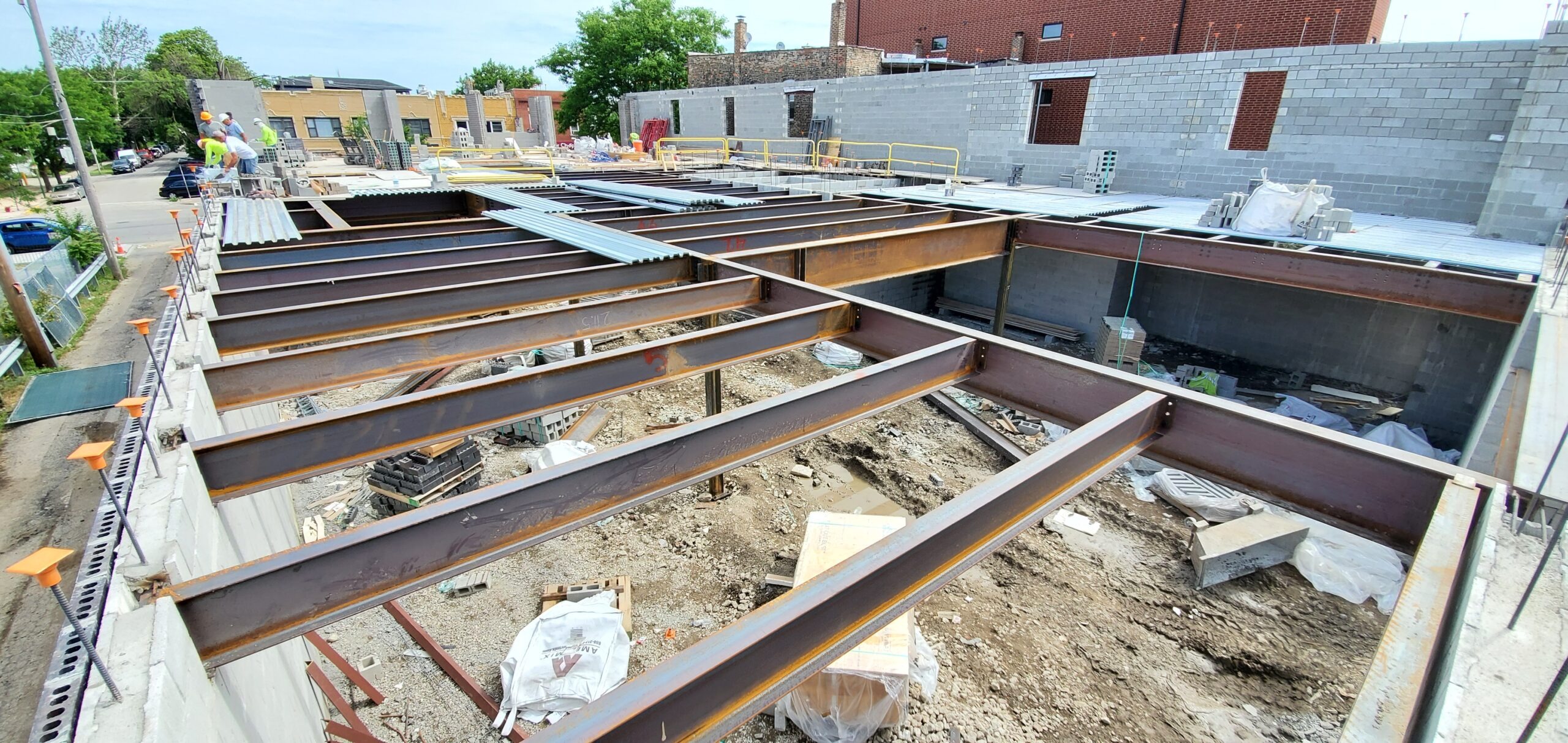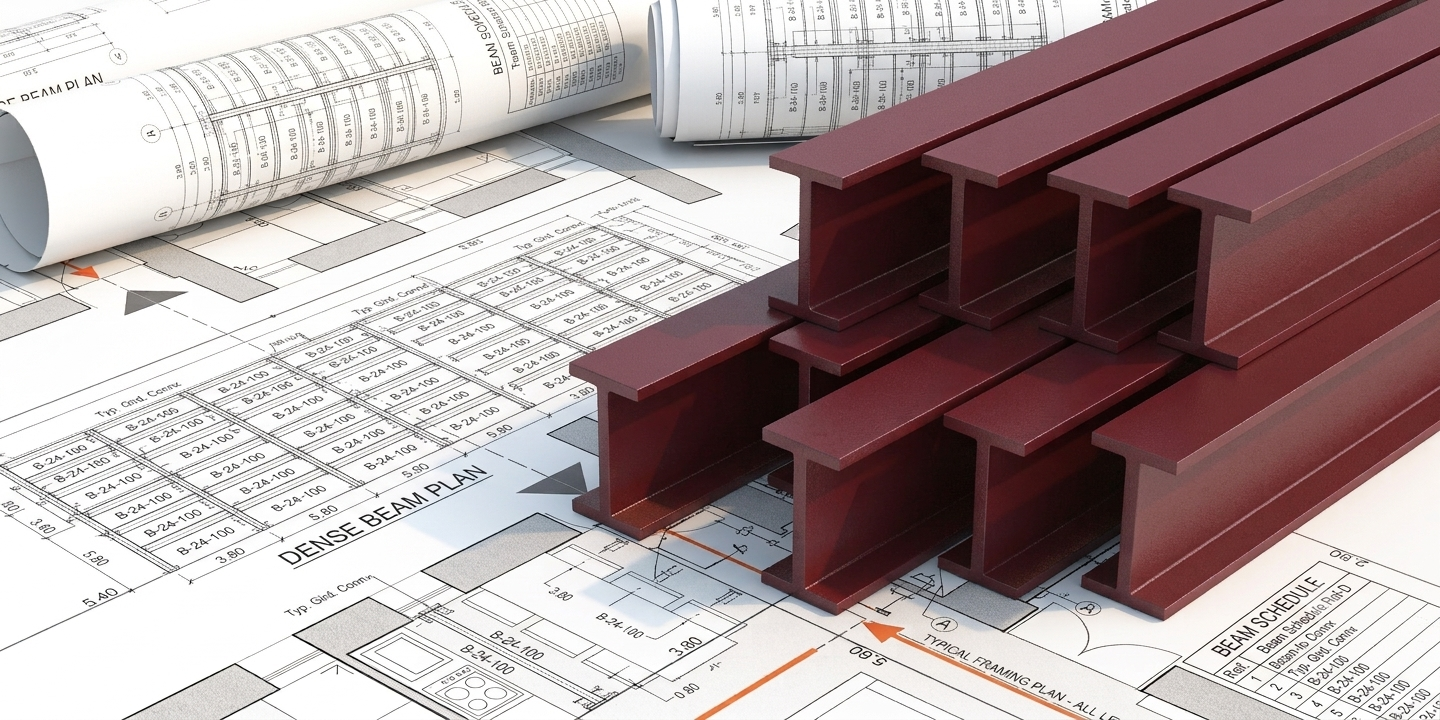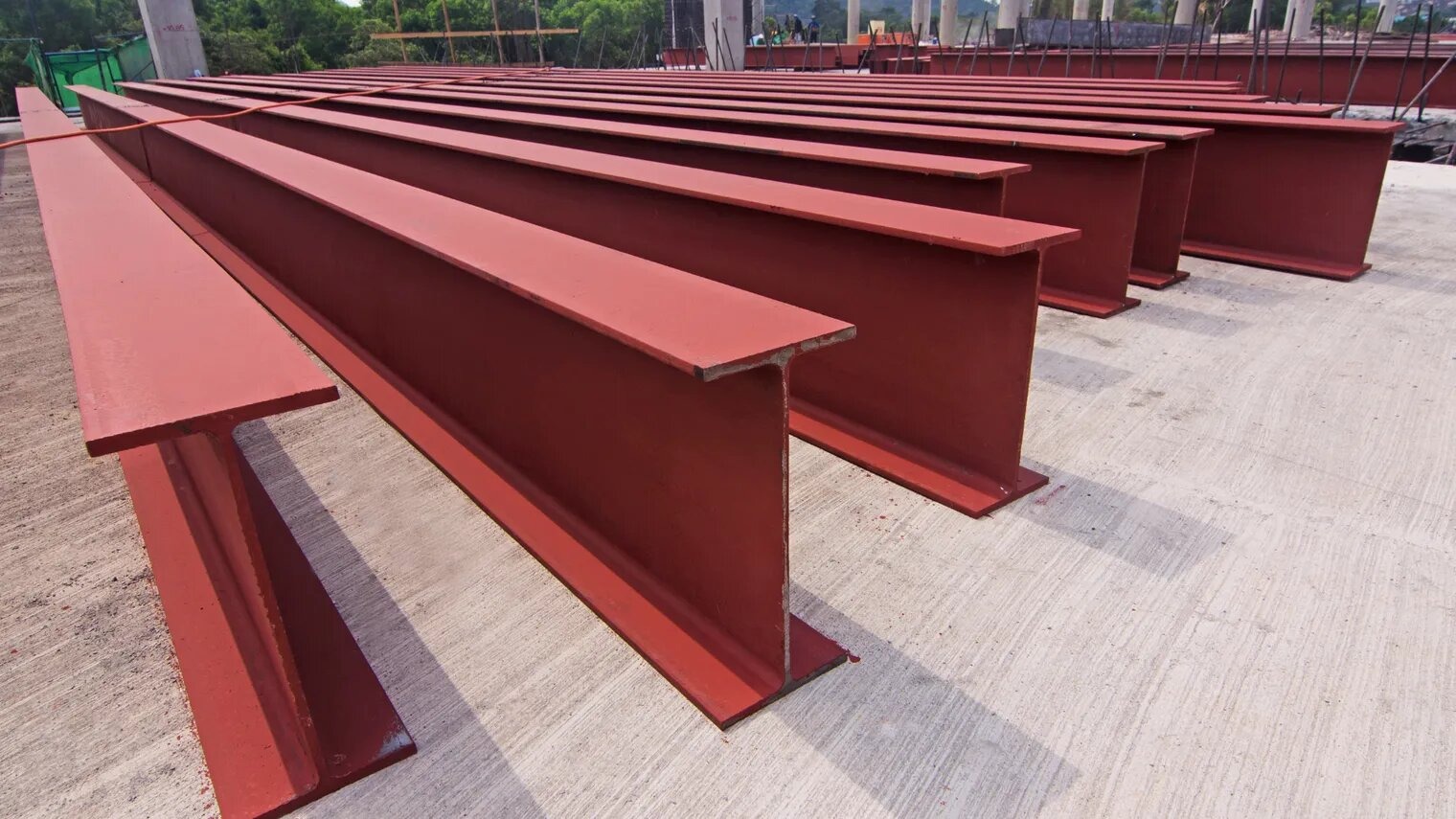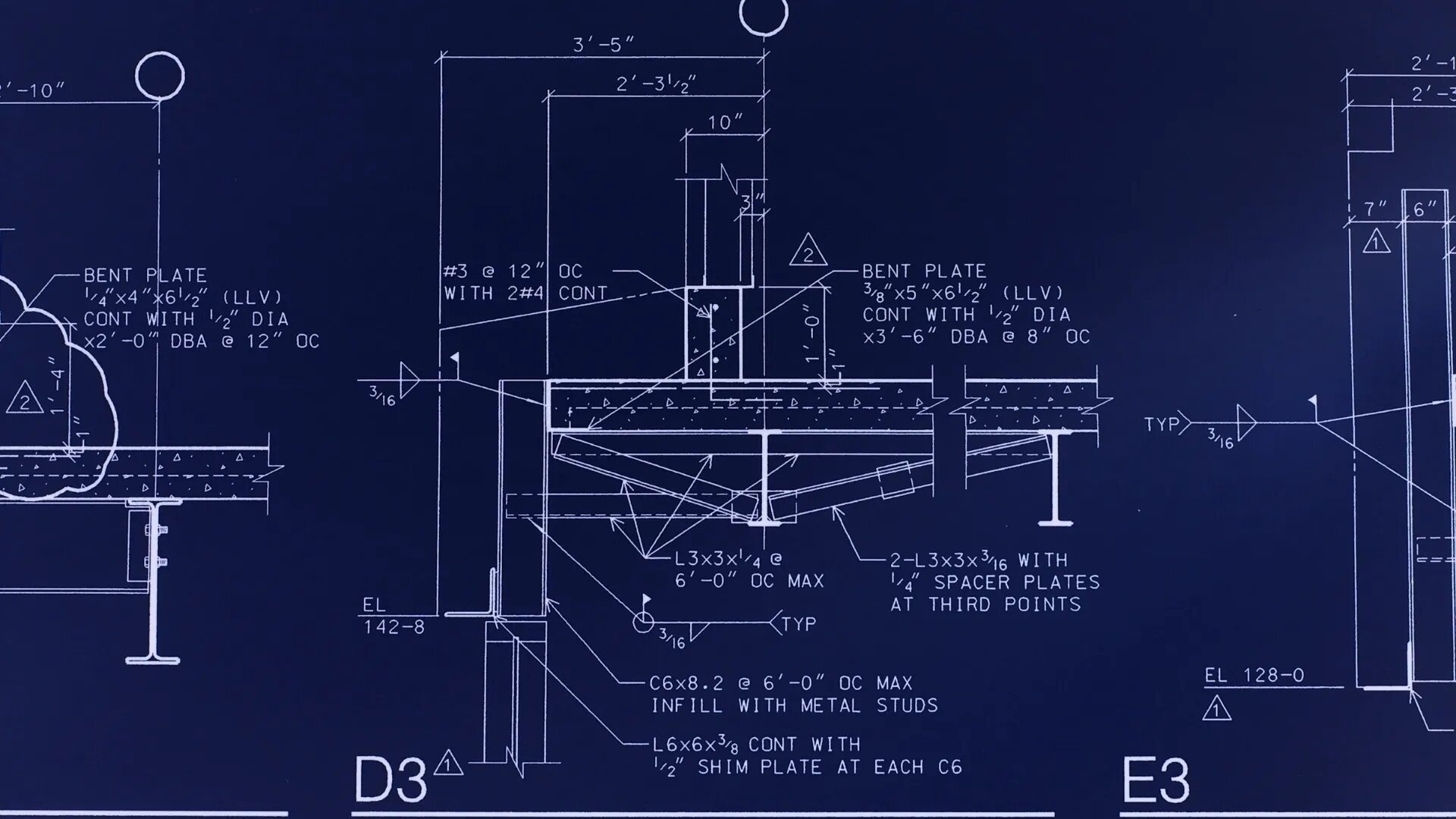

Steel estimators who have been in the business long enough know the same uncomfortable truth: a takeoff can be perfect on the main steel and still hand the shop a money-loser if the connections were not identified systematically. Beams and columns are easy to count. Connections are easy to undercount, miscategorize, or assume into a standard category that does not match what the engineer actually specified.
The fix is not to work harder. The fix is to apply a systematic framework that catches every connection type at the bid stage, classifies it correctly against the structural system, and prices it against real labor data rather than rules of thumb. This article walks through that framework, the verified industry references it draws on, and how AI takeoff tools accelerate the identification step without replacing the estimator judgment that connection complexity demands.
This article sits under Building a High-Performance Steel Estimating Workflow and is the connection-specific companion to the broader workflow design covered in the pillar.
Connections carry a disproportionate share of fabrication labor relative to their material weight. A moment connection requires extensive welding, stiffeners, doublers where needed, and specialized labor. A simple shear connection needs a plate and a few bolts. The labor differential between connection types is substantial, and missing the difference at the bid stage flows directly to project margin.
The financial exposure is real. According to the Construction Industry Institute, rework represents between 2% and 20% of total project costs, with an average of 12%. Connection-driven errors sit at the front of that chain: a connection missed at takeoff becomes a connection underpriced at bid, becomes a fabrication surprise at the shop, becomes either a margin loss or a contentious change order conversation. The CFMA Construction Financial Benchmarks Report shows industry net profit margins running around 5-6%, with specialty trades at around 6.9%. At those margins, even one significantly mispriced moment connection on a project can erase the profit from another job.
The systematic approach below is built around AISC's published connection design framework. The AISC Steel Construction Manual covers connection design in Parts 9 through 15: connecting elements, simple shear connections, moment connections (both partially and fully restrained), bracing and truss connections, base plates and anchor rods, and hanger/bracket connections. Every connection on every drawing falls into one of these categories. The estimator's job is to recognize which category each one belongs to before pricing.
Not all connections are created equal, and that is where estimators get into trouble.
Simple shear connections are the workhorses of steel construction. They transfer vertical loads, allow rotation, cost less to fabricate, and take less shop time. AISC Manual Part 10 covers their design.
Moment connections are different. They resist rotation, transfer bending moments, require precise fabrication, and drive up costs significantly. Partially restrained moment connections are covered in AISC Manual Part 11; fully restrained moment connections are in Part 12.
Then there is everything in between:
Each type has different material requirements, different labor hours, and different cost profiles. Treating them as interchangeable, or applying a single average cost across the project, is where estimating accuracy breaks down.
The traditional approach to connection identification on a steel takeoff has been some version of: count beams and columns, assume standard connections everywhere, add a percentage for miscellaneous, and move on. That approach was viable when projects were simpler, drawings were more standardized, and margins were forgiving.
Modern projects are not simpler. Engineers specify different connections for different load conditions on the same project. A beam-to-column connection on a perimeter frame may be a full moment connection; the same configuration on an interior gravity line is a simple shear connection. The drawing set looks similar; the labor cost is dramatically different.
The visual review on a complex drawing set, under bid-deadline pressure, is where the misses happen. This is not an estimator competence problem. It is a workflow problem that requires a structured approach to solve.
Here is the framework experienced estimators use to catch every connection type and classify it correctly.
Before counting anything, understand the structural system. This phase is short (typically 30-60 minutes on a normal project) and saves hours of rework downstream.
Identify the lateral system:
Map the load paths:
Flag special conditions:
This phase is fundamentally about reading the structural drawings as a system, not a collection of members. For more on what AI takeoff tools see when they read steel drawings, see How AI Reads Structural Steel Drawings.
Now systematically classify each connection point.
Beam-to-Column Connections. Check framing direction (web or flange), identify load requirements from the structural drawings, note any special conditions, and assign a connection type code per your shop's standards.
Beam-to-Beam Connections. Primary vs secondary framing, coped or uncoped ends, simple shear or moment transfer, access requirements for erection.
Column Base Connections. Fixed vs pinned bases, anchor bolt patterns, base plate sizes, grout pocket and leveling requirements.
Column Splices. Location (typically aligned with structural floor plans), type (bearing or moment), access for field bolting, erection considerations.
Bracing Connections. Bolted vs welded, gusset plate geometry, gusset thickness, work point geometry, AESS requirements where applicable.
The output of this phase is a classification matrix. Every intersection on the drawing has a code, and every code maps to a connection type with documented material and labor assumptions in your shop's database.
Use this checklist on every project that matters. No exceptions.
Structural connections:
Miscellaneous connections:
Special conditions:
The discipline is in the consistency. Apply the same checklist on every bid, regardless of how rushed the deadline is. The checklist is what catches the items that pressure and fatigue cause estimators to skip.
For the broader takeoff verification framework, see Steel Takeoff Checklist: What Every Estimator Should Verify.
Knowing what drives connection costs is the foundation of accurate pricing.
The components that drive material cost on any connection:
Connection geometry drives material quantities. Larger forces require thicker plates, more bolts, and bigger welds. A moment end-plate connection on a heavy beam can require plate thicknesses far above the shear tab on a light gravity beam on the same project.
Labor is where connection costs get most variable, and where shop-specific historical data matters most. Generic labor hour ranges published online vary so widely (by shop, by region, by project type, by automation level) that applying them as cost baselines is unreliable.
The disciplined approach is to track your shop's historical labor data by connection type:
After 50-100 tracked projects, your shop has its own production rate database that is more accurate than any published rule of thumb. This is the institutional knowledge that turns individual estimator experience into team-level capability. For more on building this discipline, see The Essentials: 10 Steel Estimating Best Practices Every Estimator Should Use.
The BLS Occupational Outlook Handbook puts the median annual wage for cost estimators at $77,070, or $37.05 per hour, as of May 2024. Shop labor rates vary widely by region and skill level, with certified welders carrying premium rates. Apply your shop's actual loaded labor cost to your actual production hours.
These factors can significantly increase connection costs:
Accessibility issues. Connections in tight spaces, high connections requiring lifts, and connections requiring special positioning all add field labor.
Special requirements. Architecturally Exposed Structural Steel (AESS) per the AISC Code of Standard Practice, seismic detailing requirements per AISC 341, special inspection requirements, and non-standard bolt patterns all carry premium labor.
Project complexity. Phased construction, occupied building work, limited crane access, and winter construction all multiply field-side labor hours.
Factor these into your estimate at the bid stage. The alternative is change order conversations later.
Wondering whether your team is ready to systematize this approach? 5 Signs Your Steel Estimating Process Is Ready for an AI Transformation is a quick gut-check.
Modern AI takeoff tools like LIFT change the front end of connection identification. Detection of connection points and basic classification happens automatically; the estimator's expertise gets applied to the complex cases and the cost assignment.
What LIFT handles automatically. LIFT scans every drawing page, detects connection points, classifies standard connection types, and provides a structured BOM with traceability back to the drawing. The framing codes (beam-to-beam, beam-to-column flange, beam-to-column web, beam-to-tube steel) come out automatically based on what the model detects on the drawings.
Where human expertise remains critical. Complex moment connections with project-specific detailing, AESS requirements, seismic detailing per AISC 341, unusual geometries, and special inspection requirements all need estimator judgment. The AI handles the high-volume repetitive identification; the estimator handles the cases that require interpretation.
Detection accuracy on most LIFT projects lands in the 95-99% range per SketchDeck product documentation, with the small percentage that needs manual review being the complex items that needed the estimator's expertise anyway.
This is the partnership model the human-in-the-loop research literature consistently identifies as the highest-performing configuration. Maccabee estimator Dawn Hargraves captured the dynamic in her published case study:
"I actually appreciate that it's not 100% perfect because it keeps me engaged and checking the work. We can catch any issues while still saving massive amounts of time."
Read the full Maccabee case study. For more on what AI can and cannot do across the estimating workflow, see What AI Can and Cannot Do in Steel Estimating: Setting Realistic Expectations.
Learn from the patterns that have cost other estimators meaningful margin.
"Just count the beam ends and multiply by a standard connection cost." This approach loses money on any project with mixed connection types, which is most modern projects. A perimeter moment frame priced as if it were all shear connections is a margin-destroying error.
Main framing gets the attention. Miscellaneous connections (girts, purlins, kickers, struts, outriggers, equipment frames, platform framing) often get rushed at the end of takeoff. These items can add up to meaningful labor that disappears if not separately tracked.
A connection that looks simple on the drawing may not be simple in the field. A connection 40 feet in the air, inside a narrow shaft, requiring special equipment, is no longer the same connection from a cost standpoint. Field access conditions should be factored at the bid stage.
Engineers put critical information in drawing notes that change connection scope:
Skip the notes, miss the costs. Note review should be a structured step in the pre-takeoff verification, not a sidebar to the main work.
Architectural drawings show intent; structural drawings show reality. Verify every connection assumption against the structural details. What looks like simple framing on the architectural may have moment connections specified on the structural for lateral resistance.
Even a systematic approach needs verification. The three-layer review below is what catches the items the originating estimator could not see anymore after spending hours immersed in the drawings.
Layer 1: Completeness check.
Layer 2: Reasonableness test.
Layer 3: Peer review.
This is exactly where AI tools enable better review, not worse. The structured BOM with traceability back to the drawing makes peer review faster and more focused. For more on the broader QA discipline, see AI Errors and How to Catch Them: Quality Control Best Practices.
Warning signs that a takeoff has gaps:
When red flags appear, dig deeper before the bid goes out.
Some connections exceed normal estimating complexity. The disciplined move is to know when to bring in expertise.
Seismic connections require special expertise per AISC 341. Buckling-restrained braced frames, special moment frame connections with strict detailing, and performance-based design connections all warrant a specialist review.
Architecturally exposed connections need extra attention. AESS categories per the AISC Code of Standard Practice define different levels of finish and tolerance requirements. Each category has different fabrication implications.
Complex geometries benefit from specialist review. Skewed connections beyond standard angles, multi-member intersections, curved member connections, and non-orthogonal framing all carry pricing risk that benefits from a second opinion before the bid goes out.
Getting expert input costs money. Missing these connections costs more.
The pattern across LIFT customers is consistent: AI handles the high-volume repetitive identification, estimators handle the judgment-intensive work.
The freed time goes to the work that requires judgment, including the connection classification and pricing decisions the AI cannot make alone.
Connections are where steel estimating accuracy lives or dies. The systematic approach is what separates shops bidding consistently from shops gambling on rules of thumb.
The framework is straightforward: read the structural system as a whole, classify every connection point against the AISC Manual categories, apply the checklist on every bid, track your shop's actual production rates as institutional knowledge, and use the three-layer review to catch what the originating estimator missed. AI tools accelerate the identification step. The estimator's expertise still owns the classification, the pricing, and the judgment calls.
If you want to see what AI-assisted connection identification looks like on your own drawings, the simplest test is to run an upcoming bid through LIFT in parallel with your current process. Compare both the speed and the connection-by-connection accuracy. You can start by booking a live demo.